
Dental bridges are a proven restorative solution for replacing missing teeth. They help restore chewing function, maintain tooth alignment, and improve overall oral health. Despite the availability of implants, dental bridges remain a valuable option in many clinical situations.
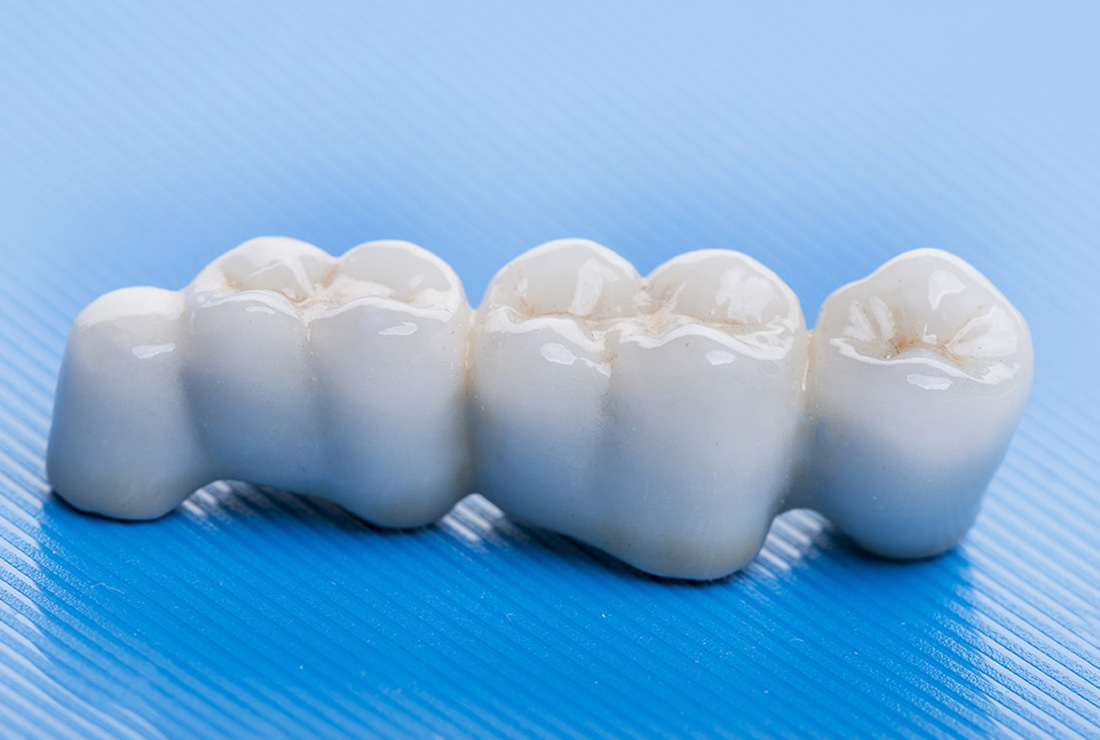
What Is a Dental Bridge?
A dental bridge consists of one or more artificial teeth anchored by adjacent natural teeth or crowns. The supporting teeth are prepared to hold the bridge securely in place.
Types of Dental Bridges
There are several types of dental bridges, including:
-
Traditional bridges supported by crowns
-
Cantilever bridges supported on one side
-
Maryland bridges bonded with metal or ceramic wings
Each type is chosen based on tooth position, bite forces, and aesthetic requirements.
When Are Dental Bridges Recommended?
Dental bridges are suitable when:
-
One or more teeth are missing
-
Adjacent teeth require crowns
-
Implants are not suitable due to bone limitations
-
A fixed solution is preferred over removable options
They offer immediate functional and aesthetic improvement.
Benefits of Dental Bridges
Dental bridges help:
-
Restore chewing efficiency
-
Prevent shifting of neighboring teeth
-
Maintain facial structure
-
Improve speech and appearance
They provide stability and comfort when properly designed.
Limitations and Considerations
Bridges require preparation of adjacent teeth, which may not always be ideal if those teeth are healthy. Long-term success depends on oral hygiene, bite balance, and regular dental check-ups.
Dental Bridges vs. Implants
While implants replace missing teeth without affecting adjacent teeth, bridges can be a faster and more cost-effective solution in certain cases. The choice depends on clinical conditions, patient preferences, and long-term planning.
Conclusion
Dental bridges remain a reliable and effective treatment for replacing missing teeth. With proper case selection and professional execution, they offer functional stability, aesthetic improvement, and long-term comfort.